Finding Quality Room Additions in Panama City: What to Know

Team Jeff Puckett Construction • April 16, 2026

Finding Quality Room Additions in Panama City: What to Know
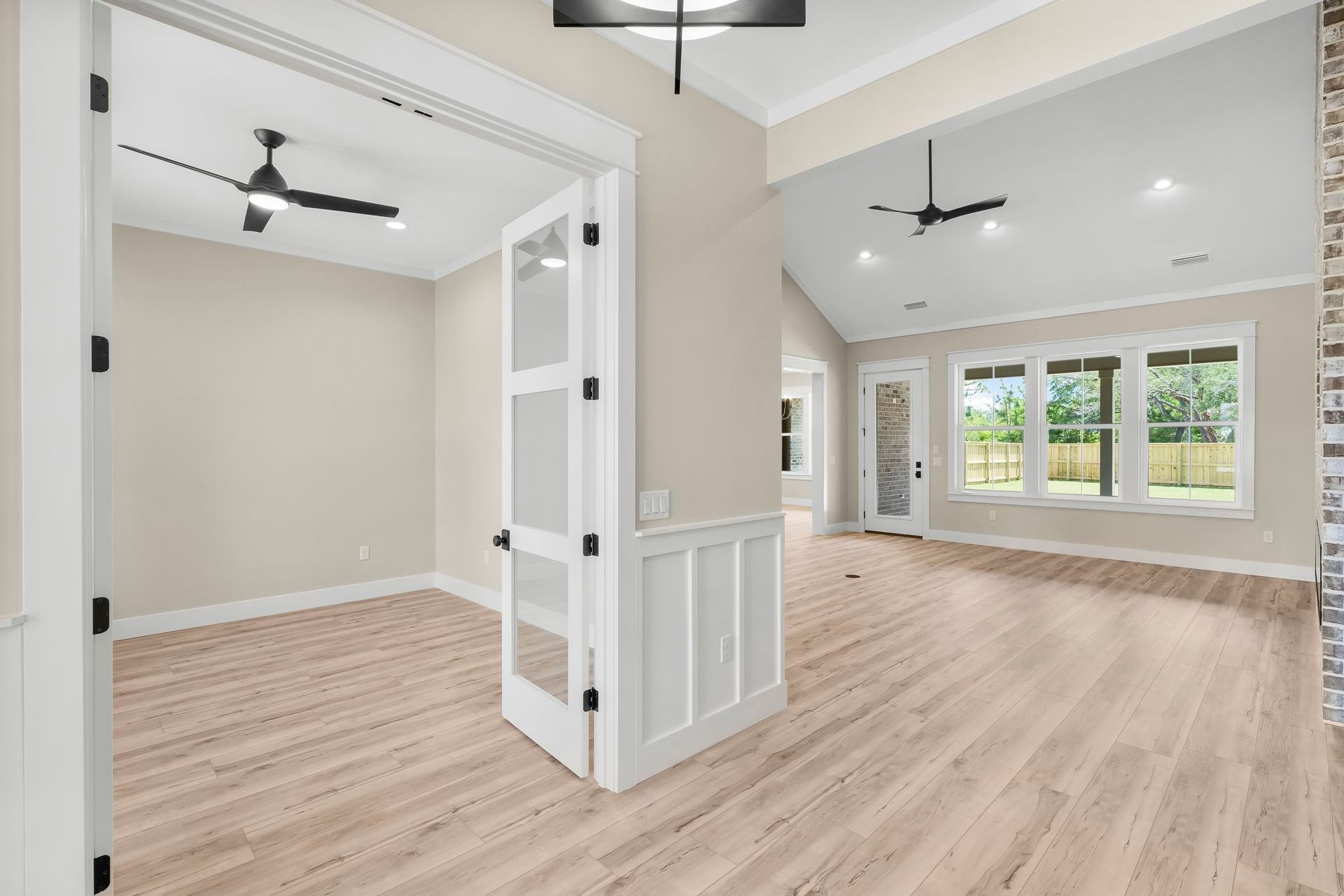
Finding a quality room addition contractor in Panama City means looking beyond the estimate and focusing on how well the builder understands your home and your goals. A well-planned addition should feel like it was always part of the house, matching your existing architecture while giving you the extra space your family needs. Here is what you should know before starting a room addition project in Panama City.

Why Do Panama City Homeowners Add Rooms to Their Homes?

Families grow and lifestyles change, but that does not always mean you need to move. Many homeowners in Panama City choose room additions because they love their neighborhood and want to stay. A new bedroom, expanded kitchen, family room, or sunroom can give you the space you need without the cost and stress of selling and buying a new property.

For retirement buyers settling into the Panama City area, additions often focus on long-term comfort. Wider doorways for accessibility, a larger master suite, or a dedicated office space can make your home work better for the years ahead. The key is working with a builder who asks detailed questions about how you plan to use the new space. Jeff Puckett Construction, Inc. specializes in custom home construction and additions in Panama City that are designed around how families actually live.

Some homeowners also add rooms to increase property value. A well-built addition that matches the existing home style can significantly raise your home's market appeal in the Panama City area.

What Should You Expect During the Addition Process?

A quality room addition starts with a detailed planning phase. Your builder should evaluate your existing structure, discuss your goals, and create a design that integrates smoothly with your current floor plan. This planning stage is where a good builder saves you time and money by identifying potential challenges before construction begins.

During construction, expect regular communication about progress and any adjustments needed along the way. In Panama City, building permits and inspections are required for structural additions, and an experienced builder handles this process for you. The best contractors coordinate all trades including electrical, plumbing, framing, and finishing so you do not have to manage multiple subcontractors yourself.

Timelines for room additions vary based on size and complexity, but most projects in the Panama City area take several months from design through completion. Your builder should provide a realistic schedule that accounts for weather, material delivery, and inspection timelines. Call Jeff Puckett Construction, Inc. at (850) 774-5706 to discuss your addition project.

How Do You Choose the Right Builder for Your Addition?

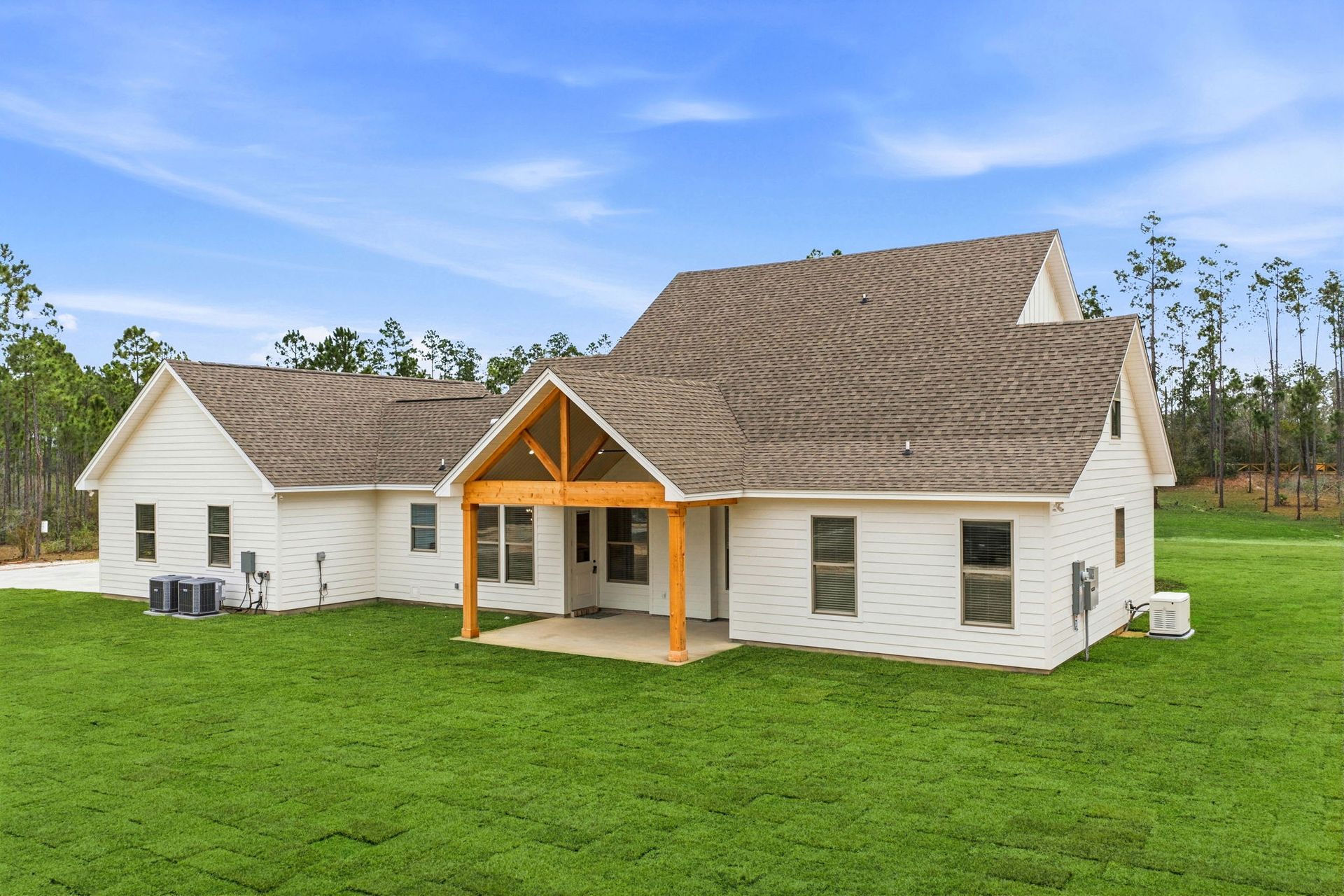
The right builder for a room addition is one who treats your project with the same care and attention as a full custom home. Look for a contractor who has experience matching additions to existing architectural styles. In Panama City, you will find homes ranging from coastal designs to modern farmhouse to traditional styles, and your addition should blend naturally.

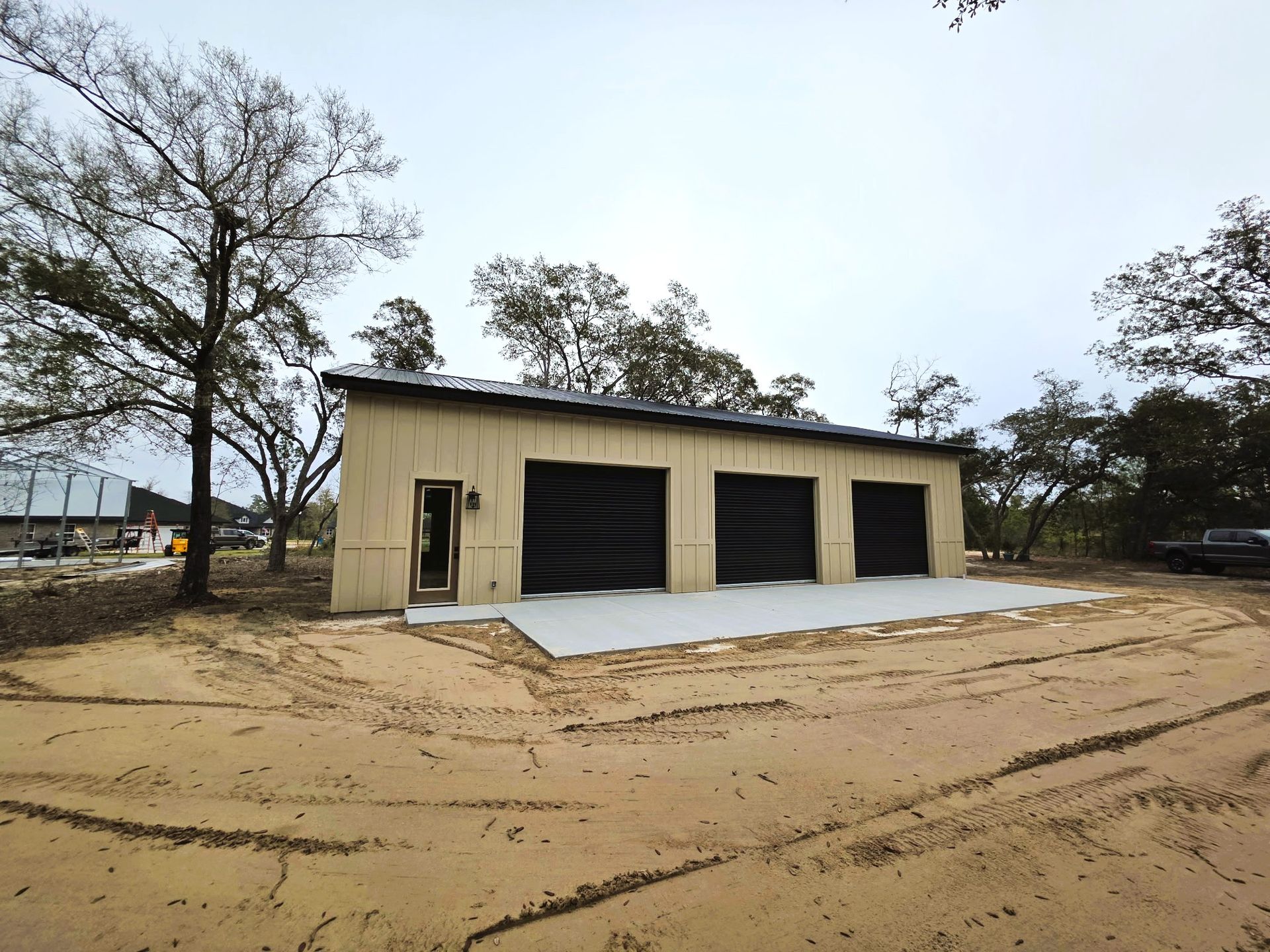
Ask to see examples of completed additions and pay attention to how well the new construction matches the original home. A quality builder will also discuss how the addition connects to your existing HVAC system, roofline, and foundation. These details matter for long-term performance and comfort. Explore the garage and addition options that demonstrate the craftsmanship you should expect from a professional builder.

Trust and communication are just as important as construction skills. You want a builder who listens to what you need and provides clear answers about budget, timeline, and process.

Panama City Permits and Requirements for Room Additions

Room additions in Panama City require building permits from Bay County. Your contractor should handle the permit application process, submit required plans, and schedule all necessary inspections. Florida building codes also require additions to meet current energy efficiency and wind resistance standards, which means your new space will be built to modern safety levels.

Because Panama City is in a coastal wind zone, structural requirements for additions include reinforced connections, impact-rated materials, and proper moisture barriers. An experienced local builder understands these requirements and factors them into your project from the beginning. This avoids delays and unexpected costs during construction.

If you are considering a room addition in Panama City, reach out to Jeff Puckett Construction, Inc. at (850) 774-5706. Their team will walk you through the planning process and help you create a space that fits your family and your budget.
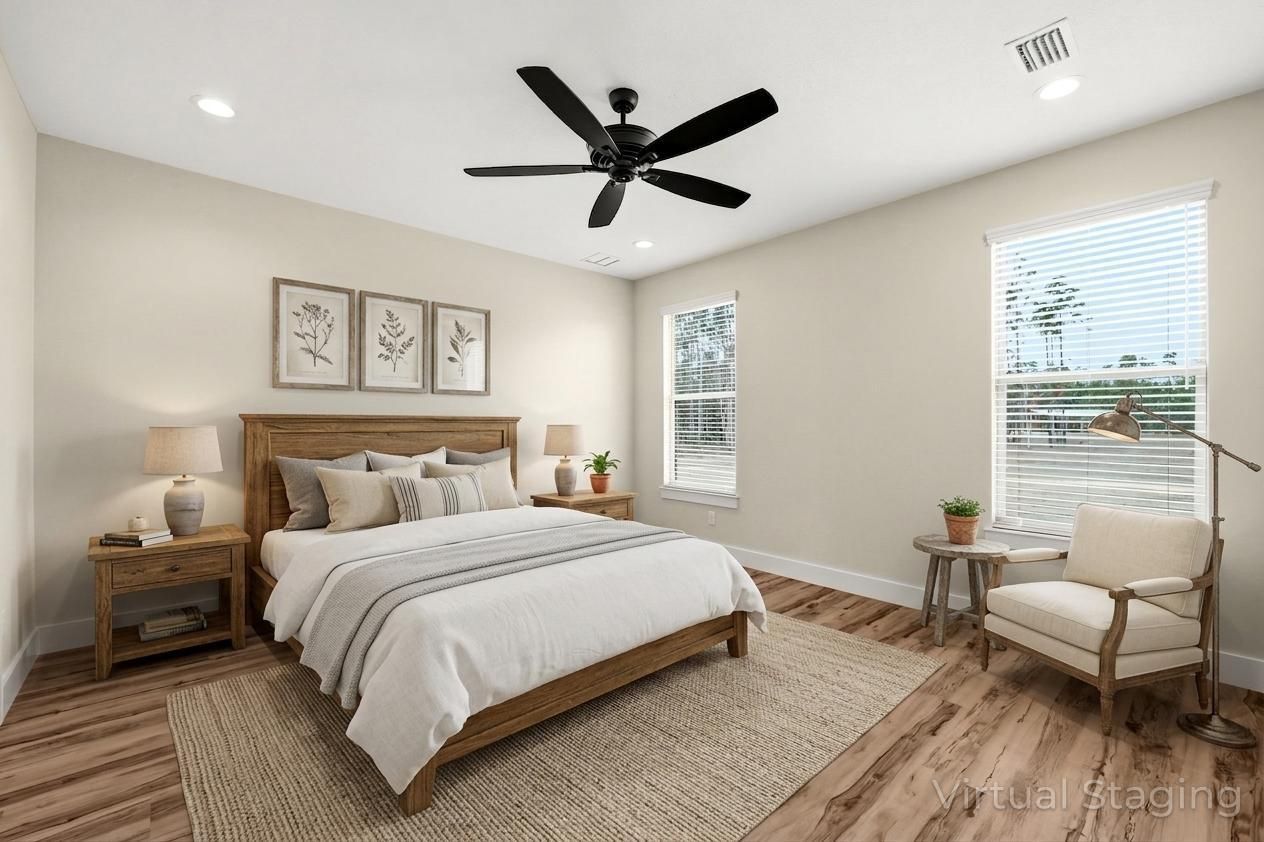
By Team Jeff Puckett Construction April 16, 2026
Expert garage construction guidance for Cedar Grove residents. Learn how to choose the right builder and what to expect from quality service.
By Team Jeff Puckett Construction April 16, 2026
Expert custom home builder guidance for Lynn Haven residents. Learn how to choose the right builder and what to expect from quality service.
By Regina Puckett February 24, 2026
How to know your decisions are right for you. If you’ve ever talked to friends who built a home, you’ve probably heard at least one horror story. -Budgets that drifted. -Decisions made in a rush. -Phone calls that weren’t returned. -Details that didn’t turn out the way they expected. -It’s enough to make anyone feel overwhelmed before the process even begins. And yet, building your home in Panama City should be one of the most rewarding experiences of your life. Especially if you’re building your primary residence in the $400,000 to $750,000 range. This isn’t a speculative investment. This is where you’ll live. Entertain. Relax. Possibly retire. So what separates a stressful experience from a confident one? It isn’t luck. It’s the process. Overwhelm Usually Starts With Uncertainty Most homeowners don’t feel overwhelmed because they can’t choose a cabinet color. They feel overwhelmed because they don’t know what’s coming next. They wonder: Are we spending too much? Are these allowances realistic? Is this change going to cost more than we think? Did we miss something important? When pricing is vague and decisions are reactive, stress becomes the default setting. Small uncertainties stack up until the entire experience feels unstable. But when the process is clear from day one, something shifts. Confidence replaces anxiety. What Clarity Feels Like at the Beginning The right building process starts with structure. Before construction ever begins, you should understand: • What your home is likely to cost based on real specifications • Where your budget is allocated • Which decisions must be made early • What can wait • How changes are handled Instead of guessing whether your selections will exceed allowances, you know what the allowances actually mean. Instead of reacting to upgrades mid-build, you’re making informed decisions before the foundation is poured. That early clarity matters. Especially for homeowners who value realistic budgets and want to avoid unnecessary spending. When you understand the numbers and the roadmap, you stop bracing for surprises. You start planning with intention. What Confidence Feels Like During Selections Selections are where many builds go sideways. This is often where budgets quietly expand. A slightly upgraded countertop here. A lighting package adjustment there. A flooring change that “isn’t that much more.” Individually, these decisions feel small. Together, they can create tension. In a well-managed process, selections are not rushed or emotional. They are guided. You should feel like: • You understand the cost impact of each decision • You know where investing more makes sense • You know where staying disciplined protects you • You are not being upsold, but advised Confidence during selections comes from transparency. When allowances are realistic and pricing conversations are direct, you can choose materials that fit your priorities without feeling manipulated. That is when building starts to feel enjoyable instead of stressful. What Steady Communication Feels Like Silence creates doubt. If weeks pass without updates, your mind fills in the gaps. Is something wrong? Is the schedule slipping? Did anyone notice that framing issue? A healthy building process includes consistent communication. You know: • Who your point of contact is • When to expect updates • How issues are handled • What stage comes next Even when challenges arise, steady communication keeps them from becoming emotional setbacks. In Florida’s climate, delays can happen. Materials can shift. Inspections can take time. But when the process is organized and leadership is personally involved, problems are addressed methodically instead of chaotically. That steadiness is what protects your peace of mind. What Attention to Detail Feels Like Details are easy to overlook until you’re living in the home. Trim alignment. Door swings. Outlet placement. Exterior finishes that withstand humidity and storms. Drainage planning. Storage that actually works for how you live. When a builder approaches your home as if they were going to move into it themselves, those details are not afterthoughts. You see it in: • Thoughtful layout adjustments that improve flow • Recommendations for low-maintenance materials • Layout tweaks that make entertaining easier • Design decisions that support aging in place A detail-oriented process does more than improve appearance. It protects long-term comfort and durability. And over time, those small decisions are what make a house feel easy to live in. What It Feels Like at the End The right building process doesn’t end with relief. It ends with confidence. You walk through your finished home and think: This makes sense. This fits our life. We stayed where we needed to financially. Nothing feels accidental. That feeling doesn’t happen by accident. It comes from: • Transparent pricing • Structured pre-construction planning • Disciplined selections • Consistent communication • Attention to detail from start to finish For homeowners building their primary residence in Panama City, the goal is rarely flash. It is stability. It is simplicity. It is long-term comfort. When the process is built around those values, the experience reflects them. Building Should Simplify Your Life — Not Complicate It If you’re considering building, you may already feel the weight of the decisions ahead. That feeling is normal. But overwhelm is not inevitable. With the right process, you move from uncertainty to clarity. From reactive decisions to intentional ones. From anxiety to steady confidence. You deserve to understand your budget. You deserve straightforward answers. You deserve a builder who respects both your investment and your peace of mind.  The difference truly is in the details — not just in the finished product, but in how the process is handled every step of the way. If you’re ready to explore what building could look like with a clear, structured approach, schedule a consultation. We’ll walk through your plans, your lot, and your goals so you can move forward with confidence instead of guesswork.
By Regina Puckett February 11, 2026
Questions You Should Ask Every Builder Before Signing a Contract Choosing a builder is not like choosing a paint color. It is not a cosmetic decision. It is a decision that will affect your finances, your stress level, and your daily life for decades. If you are building in the $400,000 to $750,000 range here in Panama City, you are not looking for the cheapest option. You are looking for clarity. You are looking for quality. And you are looking for a process that does not spiral out of control halfway through construction. Most homeowners who experience regret do not regret building. They regret not asking better questions before they signed. Here are the questions you should ask every builder before committing to a contract. 1. How Detailed Is Your Pricing — Really? Many proposals look thorough at first glance. A total number. A few line items. A clean presentation. But here is the problem. A vague estimate leaves room for surprises later. You should ask: • How specific are your allowances? • What exactly is included in this price? • What is not included? If allowances are unrealistically low, you will discover that during selections. If major categories are unclear, you will discover that during construction. Transparent pricing protects you from change orders that feel unexpected. It allows you to make decisions early, when they are still affordable. A builder who is confident in their process will not hesitate to walk through the numbers in detail. If the pricing conversation feels rushed or defensive, pay attention. Clarity up front simplifies the entire build. 2. How Do You Help Clients Stay on Budget? Every builder will say they “work within your budget.” That is easy to say. The better question is how? Do they: • Review your plan and identify cost drivers early? • Offer realistic material expectations? • Explain where to invest and where to save? • Adjust specifications before construction begins? Budget overruns usually do not happen because of one dramatic mistake. They happen through a series of small, unchecked decisions. A disciplined pre-construction process protects you. It keeps emotion from overruling practicality once the build is underway. If simplifying your life is one of your goals, staying in control of the budget is a major part of that. 3. What Does “Custom” Mean to You? In this market, the word custom can mean many things. For some builders, it means you can choose finishes from a fixed menu. For others, it means structural flexibility, layout adjustments, and detailed personalization. Neither approach is wrong. But you need to understand which one you are signing up for. Ask: • Can we modify the floor plan? • How flexible are design changes? • When do decisions need to be finalized? The more clearly expectations are defined, the smoother your build will be. Misalignment here is one of the biggest causes of frustration mid-project. When you understand the level of customization available, you can make decisions with confidence instead of assumption. 4. Who Will Be Overseeing My Build? Experience matters. But involvement matters just as much. Will you be working with: • The owner? • A project manager? • A rotating supervisor? • A sales representative after signing? Ask who your primary point of contact will be. Ask how often you will receive updates. Ask how issues are handled when they arise. A home is a collection of thousands of small decisions. The difference is often in how carefully those details are managed day after day. When leadership is personally involved and accountable, quality tends to follow. When oversight is thin, details get missed. And in construction, missed details are rarely inexpensive. 5. How Do You Handle Change Orders? Changes are part of building. Even well-planned projects occasionally evolve. The question is not whether changes happen. The question is how they are handled. Ask: • How are changes documented? • When are they priced? • Do you approve them in writing before work proceeds? An organized change order process protects both you and the builder. It keeps decisions intentional rather than reactive. Without structure, small changes can quietly snowball. With structure, you stay in control. 6. What Materials and Methods Do You Use for Long-Term Durability? Especially in Florida, materials matter. Humidity, storms, heat, and salt air all take a toll over time. Ask: • What exterior materials do you recommend and why? • How do you address moisture control? • What maintenance should we expect long term? If your goal is a home that simplifies your life, durability is not optional. Low-maintenance materials, thoughtful detailing, and climate-appropriate construction methods make daily living easier. Shortcuts rarely show up in the first year. They show up later. You want to build in a way that protects you long after move-in day. 7. Can You Walk Me Through Your Process From Start to Finish? This question may be the most important one. A clear process reduces anxiety. It prevents confusion. It keeps expectations aligned. You should understand: • Pre-construction steps • Design and selections timeline • Permitting expectations • Construction milestones • Communication frequency • Final walkthrough procedures When a builder can confidently explain the entire journey, it signals preparation and experience. When the answer feels vague, that uncertainty often continues during construction. Building a home should feel structured and steady, not unpredictable. 8. Can I Speak to Recent Clients? Past performance is one of the strongest indicators of future experience. Ask to speak with homeowners who recently completed builds in a similar price range. Listen for patterns: • Did they feel informed? • Did pricing feel transparent? • Did the builder respect the budget? • Was the process organized? No builder is perfect. But consistency in positive feedback is a powerful signal. ________________________________________ Why These Questions Matter Signing a contract is not just a financial commitment. It is a partnership. The right builder will welcome informed clients. They will appreciate thoughtful questions. They will see them as a sign that you are serious and prepared. The wrong builder will see questions as resistance. If your goal is to build a well-designed, efficient home in Panama City that simplifies your life rather than complicates it, these conversations are essential. A clear budget. Defined expectations. An organized process. Attention to detail. Those are not luxuries. They are protections. The difference is often in the details long before the first board is nailed in place. If you are considering building and want clarity before signing anything, we would be glad to walk through your plans, lot, and budget expectations with you. Schedule a consultation, and let’s make sure the questions are answered before the contract is signed.